

Program Highlights
Singapore Vision Day 2026 brings together an exciting lineup of talks and discussions spanning computer vision, computer graphics, multimedia, embodied AI, multimodal LLMs, and beyond. The program features keynotes by Prof. Richard Hartley and Prof. Angela Dai, complemented by a dynamic series of short talks from leading local researchers and invited regional speakers across academia and industry. Attendees can also look forward to two engaging panel discussions on rapidly emerging topics including world models and embodied AI.
Registration & Venue
Registration
How to Get There?
📍 NUS School of Computing, COM1 Seminar Room 1 (COM1 02-06)
Introduction
Singapore hosts a vibrant and fast-growing community spanning computer vision, computer graphics, multimedia, multimodal LLMs, and embodied AI across academia and industry. Singapore Vision Day brings this community together to exchange ideas, foster collaboration, and strengthen connections across disciplines.
- Research: Exchange cutting-edge ideas across vision, graphics, embodied AI, multimodal AI, etc
- Community: Build a stronger interdisciplinary ecosystem
- Impact: Strengthen Singapore’s position as a leading AI hub
- Recruitment: Connect students with research labs and industry
- Industry Engagement: Bridge research and real-world applications
Sponsor
We gratefully acknowledge the support of our sponsor.

Schedule
🗓️ Day 1 – 15 May (Friday)
| ☕ Arrival | 08:30 – 09:00 |
| 🎬 Opening: Angela Yao / Gim Hee Lee | 09:00 – 09:05 |
| 🎙️ Welcome: Prof. Mohan Kankanhalli (NUS SoC, Director NAII; Deputy Executive Chairman AISG) | 09:05 – 09:10 |
| 🎙️ Remarks: Dr. Chen Hui Ong (Assistant Chief Executive, IMDA) | 09:10 – 09:20 |
| 🌟 Keynote Talk: Prof. Richard Hartley (ANU) | 09:20 – 10:20 |
| 🎤 Short Talk: Session 1 Harold Soh (NUS); Tat-Jen Cham (NTU); Frank Guan (SIT); Gim Hee Lee (NUS) |
10:20 – 11:40 |
| 🗣️ Discussion Panel: Embodied AI Chaired by: Gim Hee Lee (NUS), Panel members: Harold Soh (NUS); Qi Ye (Zhejiang University); Meng-Fei Tung (NRP); Clifton Phua (IMDA) | 11:40 – 12:10 |
| 🍽️ 🤝 🪧 Lunch, Networking & Poster Session 1 | 12:10 – 13:10 |
| 🎙️ Meng Fai Tung (Executive Director, National Robotics Programme) | 13:10 – 13:20 |
| 🎤 Short Talk: Session 2 Angela Yao (NUS); Zhaopeng Cui (Zhejiang University); Cecilia Laschi (NUS); Lin Shao (NUS) |
13:20 – 14:40 |
| 🎤 Short Talk: Session 3 Buzhen Huang (Tianjin University); Lan Xu (ShanghaiTech); Bohan Wang (NUS); Xinchao Wang (NUS) |
14:40 – 16:00 |
| ☕ 🤝 🪧 Coffee Break, Networking & Poster Session 1 | 16:00 – 16:20 |
| 🎤 Short Talk: Session 4 Minhyuk Sung (KAIST); Mike Shou (NUS); Ziwei Wang (NTU); Xun Xu (A*STAR); Robby Tan (NUS) |
16:20 – 18:00 |
🗓️ Day 2 – 16 May (Saturday)
| ☕ Arrival | 08:30 – 09:00 |
| 🌟 Keynote Talk: Prof. Angela Dai (TUM) | 09:00 – 10:00 |
| 🎤 Short Talk: Session 6 Tae-Hyun Oh (KAIST); Xingang Pan (NTU); Qi Ye (Zhejiang University); Peidong Liu (Westlake University) |
10:00 – 11:20 |
| 🗣️ Discussion Panel: World Models Chaired by: Angela Yao (NUS); Panal members: Qi Wu (Uni Adelaide); Angela Dai (TUN); Xingang Pan (NTU); Yeying Jin (Tencent) | 11:20 – 11:50 |
| 🍽️ 🤝 🪧 Lunch, Networking & Poster Session 2 | 11:50 – 12:50 |
| 🎤 Short Talk: Session 7 Wen Li (UESTC); Minsu Cho (POSTECH); Cheston Tan (A*STAR); Fayao Liu (A*STAR) |
12:50 – 14:10 |
| 🎤 Short Talk: Session 8 Bin Zhu (SMU); Yeying Jin (Tencent); Basura Fernando (A*STAR); Shao Hui Foong (SUTD) |
14:10 – 15:30 |
| ☕ 🤝 🪧 Coffee Break, Networking & Poster Session 2 | 15:30 – 15:50 |
| 🎤 Short Talk: Session 9 Bohyung Han (SNU); Qi Wu (University of Adelaide); Shijie Li (A*STAR); Yan Yang (Salesforce); Linlin Yang (Communication University of China) |
15:50 – 17:30 |
| 🎯 Closing Remarks | 17:30 – 17:40 |
Poster Sessions
Poster Board Size: 1000mm × 1000mm (A1 size fits either orientation). All posters will be presented across both days of the workshop. Participants may set up their posters at the start of Day 1 and leave them on the board throughout the event. Kindly remove your poster at the end of Day 2, as any posters left behind will be disposed.
🪧 Poster Presentations — 15–16 May 2026
| Poster Board ID | Name | Institution |
| P01 | Can Zhang | National University of Singapore |
| P02 | Harry Cheng | National University of Singapore |
| P03 | Guodong Ding | National University of Singapore |
| P04 | Avilasha Mandal | Indian Institute Of Technology Delhi |
| P05 | Kang Liao | Nanyang Technological University |
| P06 | Yihang Luo | Nanyang Technological University |
| P07 | Yang Lei | Nanyang Technological University |
| P08 | Ziqi Huang | Nanyang Technological University |
| P09 | Xiao-Ming Wu | Nanyang Technological University |
| P10 | Qi Xun Yeo | Temasek Laboratories / National University of Singapore |
| P11 | Licheng Zhong | National University of Singapore |
| P12 | Jiayin Zhu | National University of Singapore |
| P13 | Seungjun Lee | National University of Singapore |
| P14 | Kanav Sabharwal | National University of Singapore |
| P15 | Dibyadip Chatterjee | National University of Singapore |
| P16 | Nuo Chen | National University of Singapore |
| P17 | Weijian Ma | Nartional University of Singapore |
| P18 | Ming Wang | Singapore Management University |
| P19 | Chunghwan Lee | National University of Singapore |
| P20 | Yining Pan | Singapore University of Design and Technology & A*STAR |
Keynote Speakers
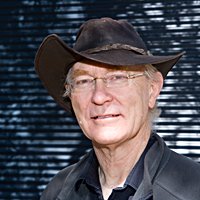
Richard Hartley
Australian National University
Richard Hartley is a Professor at the Australian National University and a leading researcher in computer vision, known for his contributions to imaging geometry and 3D reconstruction from multiple images. He received his PhD in pure mathematics from the University of Toronto before transitioning to computer vision at General Electric, where he worked on applications including medical imaging and industrial vision systems. He is the co-author of the influential book Multiple View Geometry in Computer Vision with Andrew Zisserman. His research continues to advance geometric methods in computer vision and machine learning, with a focus on projective and Riemannian geometry.
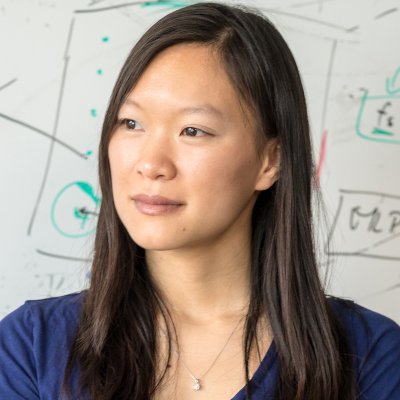
Angela Dai
TU Munich
Angela Dai is an Associate Professor at the Technical University of Munich where she leads the 3D AI Lab. Her research focuses on enabling machines to understand, model, and generate real-world 3D environments, with an emphasis on semantically grounded and interactive representations. She received her PhD from Stanford in 2018 under Pat Hanrahan and her BSE from Princeton in 2013. Her work has been recognized with an ECVA Young Researcher Award, ERC Starting Grant, Eurographics Young Researcher Award, German Pattern Recognition Award, Google Research Scholar Award, and an ACM SIGGRAPH Outstanding Doctoral Dissertation Honorable Mention. She has also served as Program Chair for Eurographics 2025 and CVPR 2026.
Regional Speakers
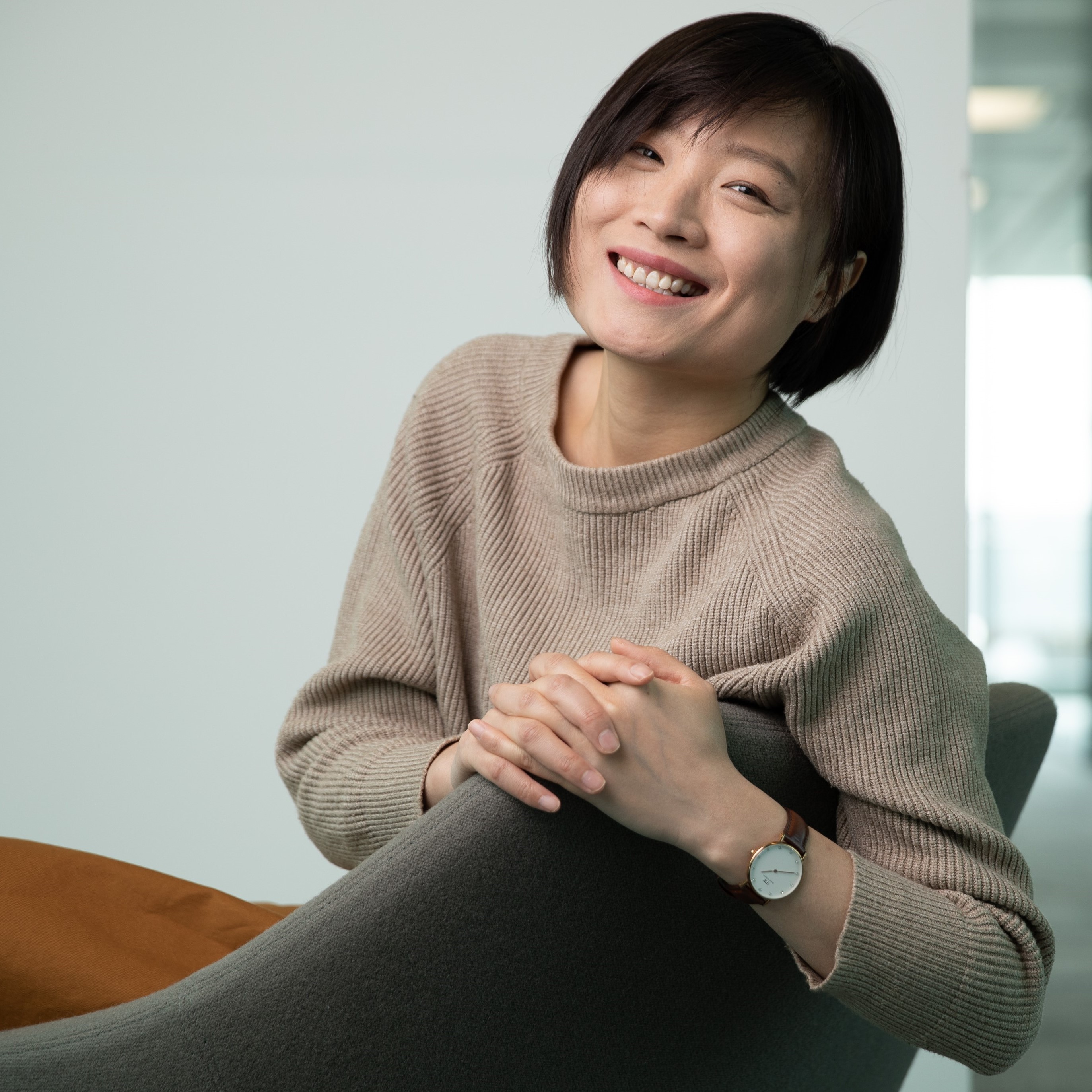
Qi Ye
Zhejiang University
Qi Ye is a Tenure-Track Professor at Zhejiang University and was previously a research scientist at Microsoft’s Mixed Reality & AI Lab in Cambridge. She received her Ph.D. from Imperial College London, with prior degrees from Tsinghua University and Beijing Normal University. Her research lies at the intersection of computer vision, graphics, and robotics, with a focus on 3D vision and embodied AI. Her work spans 3D reconstruction, hand-object interaction, active vision, multimodal perception, and dexterous manipulation, with publications in TPAMI, CVPR, ICCV, ECCV, ICRA, and IROS.
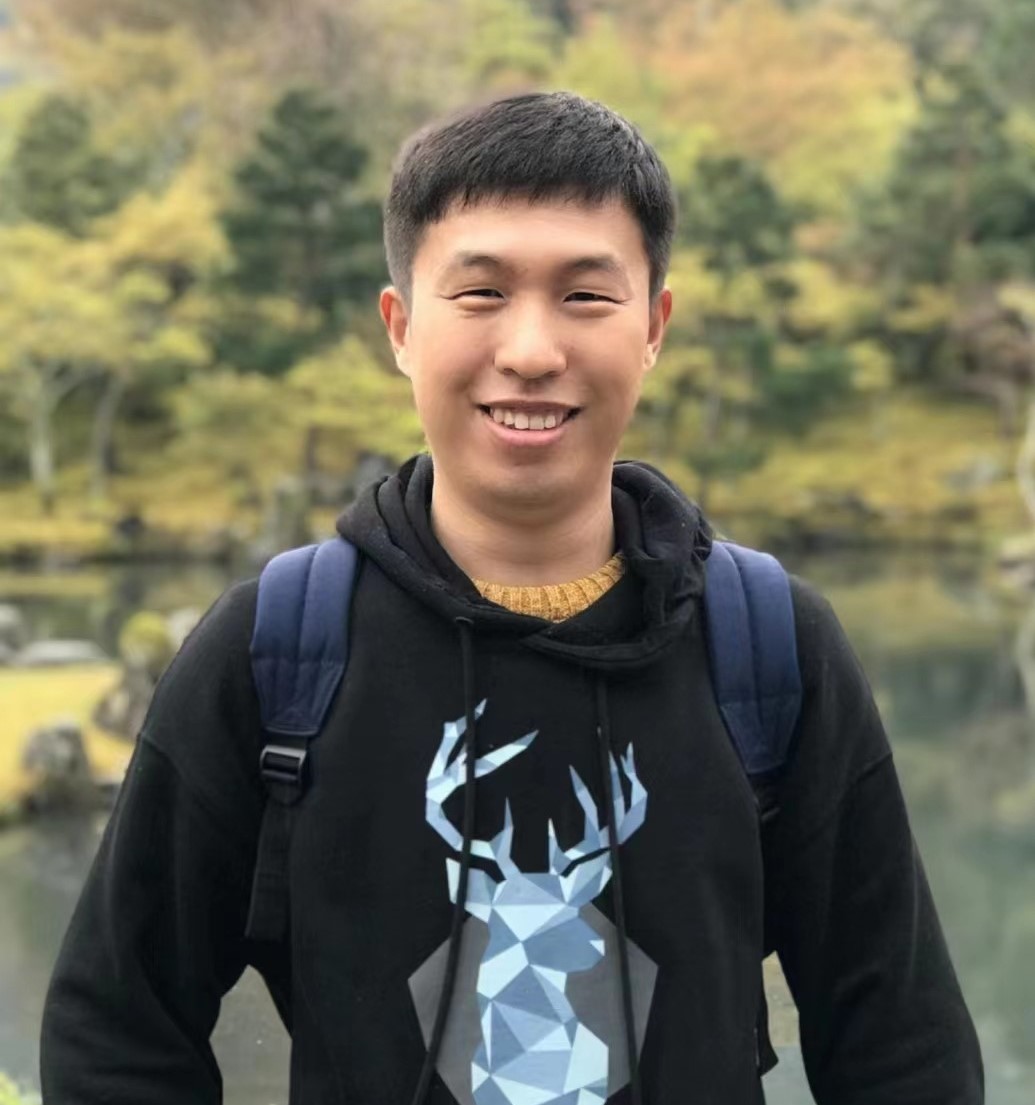
Peidong Liu
Westlake University
Peidong Liu is an Assistant Professor of Computer Science at Westlake University. He received his Ph.D. from ETH Zurich under the supervision of Marc Pollefeys, and both his Master’s and Bachelor’s degrees from the National University of Singapore. His research bridges 3D computer vision and robotics, focusing on visual spatial intelligence (SpatialAI) for enabling machines to perceive, understand, and interact with 3D environments. His work centers on developing algorithms for robust visual understanding and interaction in real-world settings.
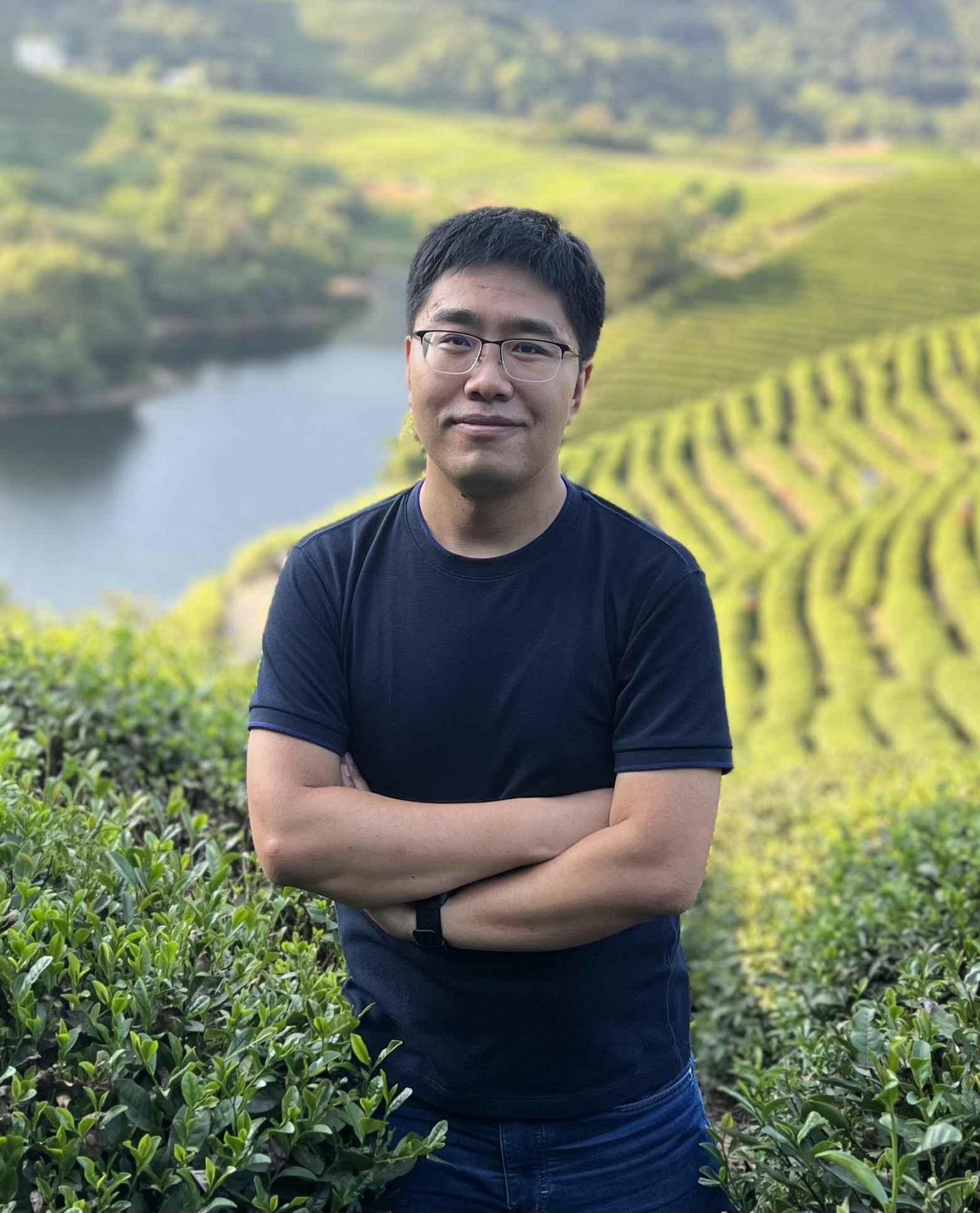
Zhaopeng Cui
Zhejiang University
Zhaopeng Cui is a Research Professor at Zhejiang University, affiliated with the College of Computer Science and Technology and the State Key Laboratory of CAD&CG. His research spans computer vision, computer graphics, robotics, and machine learning. His work focuses on 3D reconstruction, scene understanding, neural scene representations, SLAM, and physically grounded spatial perception. More broadly, he aims to build systems that enable machines to perceive, reconstruct, and reason about the physical world at scale.
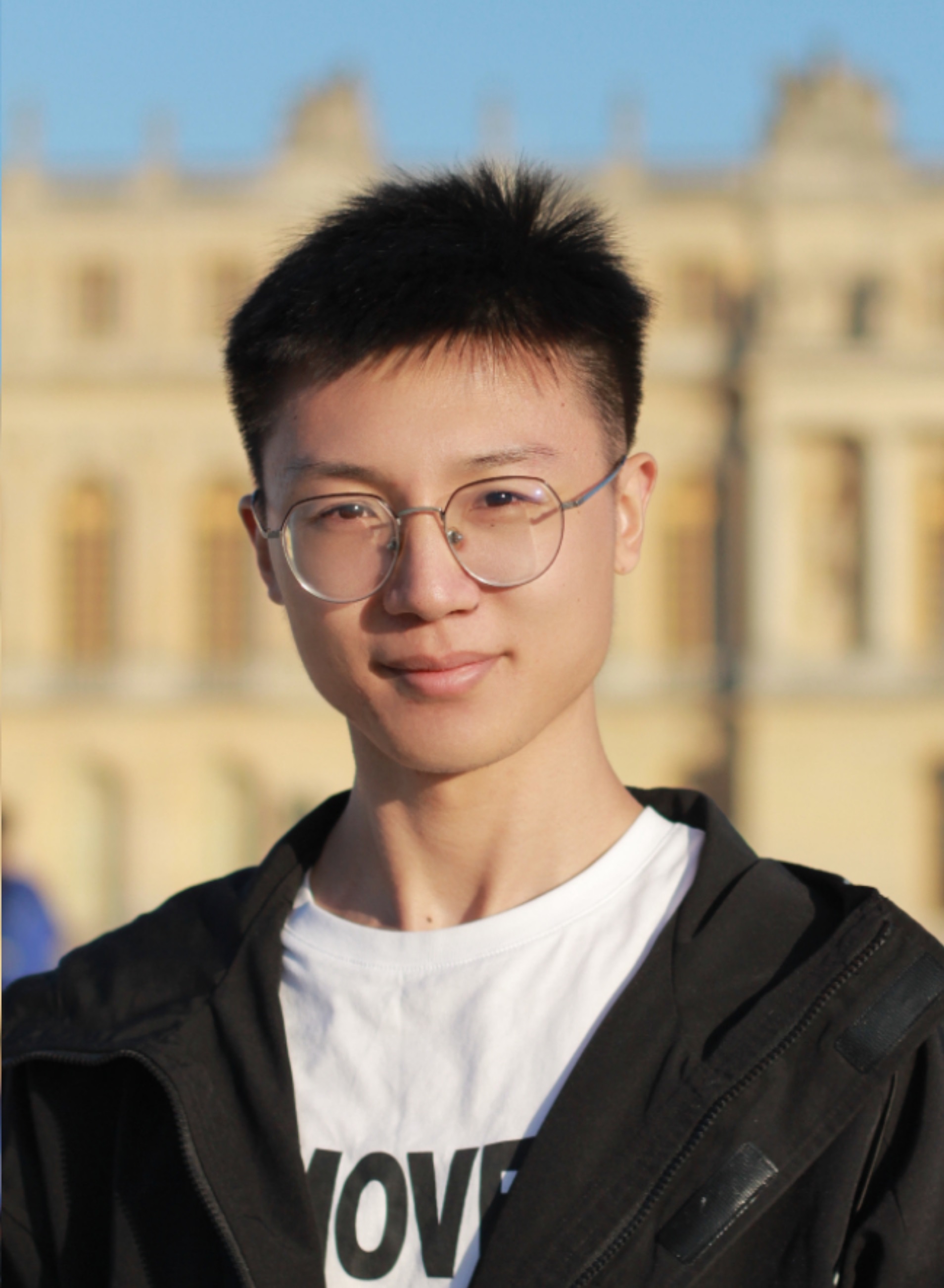
Buzhen Huang
Tianjin University
Buzhen Huang is a Tenure-Track Associate Professor at the School of Artificial Intelligence, Tianjin University, where he works closely with Kun Li. He received his Ph.D. from Southeast University in 2025 and was a visiting student at the CVRP Lab, National University of Singapore, from 2023 to 2024. His research focuses on human reconstruction, motion capture, and character animation. His work aims to advance realistic modeling and understanding of human motion and appearance.
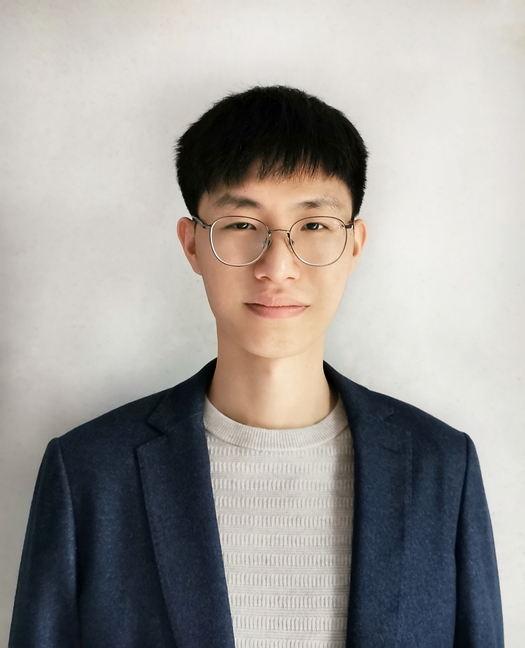
Lan Xu
ShanghaiTech University
Lan Xu is a tenure-track Assistant Professor at the School of Information Science and Technology (SIST), ShanghaiTech University. He received his Ph.D. from HKUST in 2020 and his B.E. from Zhejiang University in 2015. He has worked with Tsinghua University and was a visiting researcher at MPI. His research focuses on computer vision and graphics, particularly in capturing and understanding human-centric dynamic and static scenes. His interests include performance capture, 3D/4D reconstruction, scene understanding, and artificial reality.
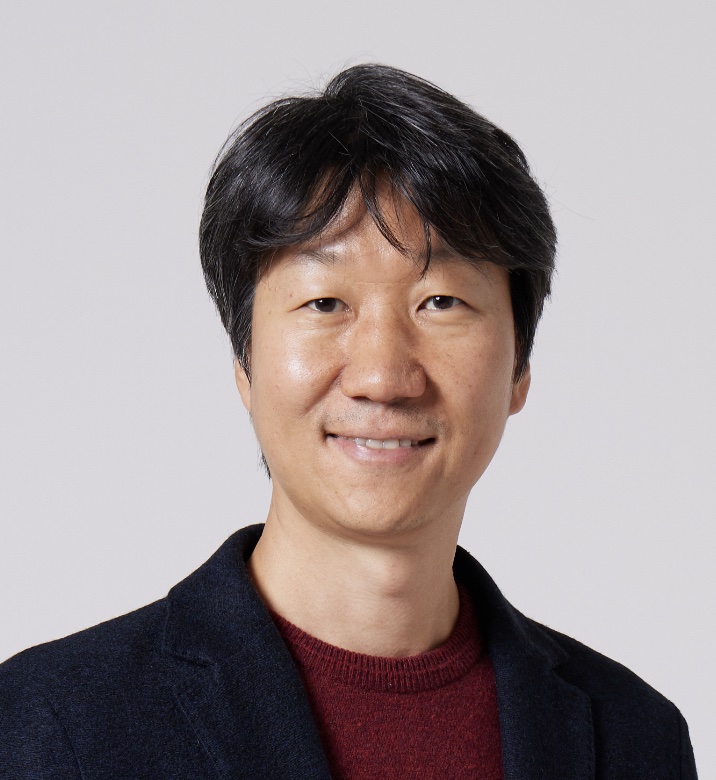
Minsu Cho
POSTECH
Minsu Cho is a Mu-Eun-Jae Endowed Chair Professor at POSTECH, where he leads the Computer Vision Lab. His research focuses on computer vision and machine learning, particularly visual semantic correspondence, symmetry analysis, object discovery, action recognition, and minimally supervised learning. Before joining POSTECH in 2016, he was a researcher at Inria WILLOW at École Normale Supérieure (ENS), Paris. He received his Ph.D. from Seoul National University in 2012 and was a visiting faculty researcher at Google Research in 2023. He serves as an Associate Editor for IJCV and TPAMI, has been an Area Chair at major conferences, and received the KCCV Sang Uk Lee Prize in 2024.
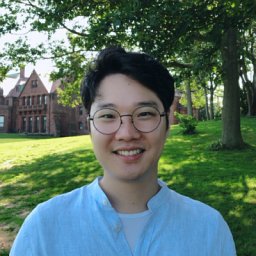
Tae-Hyun Oh
KAIST
Tae-Hyun Oh is an Associate Professor at the School of Computing, KAIST. His research focuses on computer vision, machine learning, and computational imaging. Before joining KAIST, he was at POSTECH, where he progressed from Assistant to Associate Professor and also served as Research Director at POSCO-RIST. He received his Ph.D. from KAIST and held positions at MIT CSAIL and Facebook AI Research. He has received multiple awards, including the BMVC Best Poster Award, and serves as an area chair and editor for major conferences and journals.
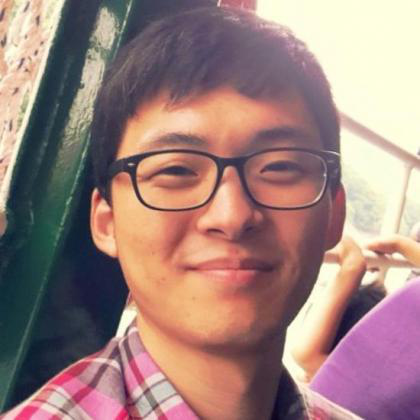
Minhyuk Sung
KAIST
Minhyuk Sung is an Associate Professor in the School of Computing at KAIST, where he leads the Visual AI Group. He is also affiliated with the Graduate School of AI and the Metaverse Program. Prior to joining KAIST, he was a Research Scientist at Adobe Research. He received his Ph.D. from Stanford University under the supervision of Leonidas Guibas, and his M.S. and B.S. from KAIST. His research focuses on generating, manipulating, and analyzing visual data, including images, videos, and 3D data. He is a recipient of the Asia Graphics Researcher Award (2024).
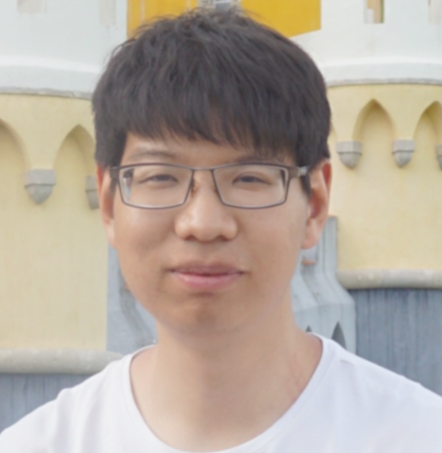
Linlin Yang
Communication University of China
Linlin Yang is a Lecturer at the Communication University of China. He was previously a Postdoctoral Researcher at the National University of Singapore and received his Ph.D. from the University of Bonn. His research interests include deep learning, hand pose estimation, self-supervised learning, and multimodal learning.
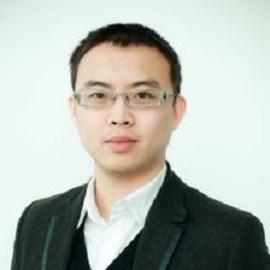
Qi Wu
University of Adelaide
Qi Wu is an Associate Professor at the University of Adelaide, where he leads V3ALab (Vision, Ask, Answer, Act). His research aims to develop intelligent agents that can see, communicate, and act by integrating visual perception, language interaction, and decision-making. His work spans tasks such as image captioning, visual question answering, referring expressions, and vision-language navigation. He focuses on advancing embodied and multimodal AI toward systems that understand and collaborate effectively with humans.
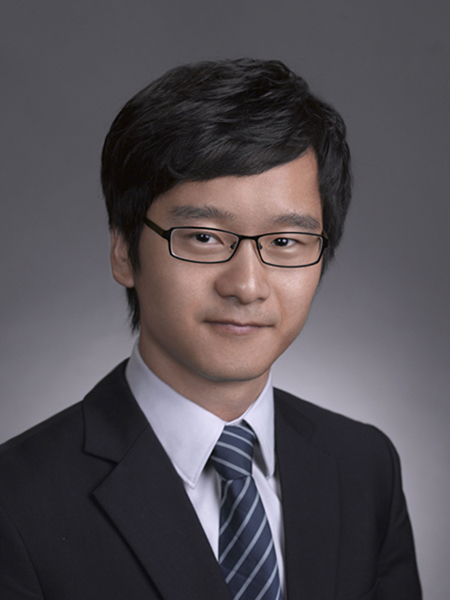
Wen Li
University of Electronic Science and Technology of China (UESTC)
Wen Li is a Professor at the School of Computer Science and Engineering, University of Electronic Science and Technology of China (UESTC), where he leads the Data Intelligence Group (DIG). He was previously a postdoctoral researcher at the Computer Vision Laboratory, ETH Zurich, working with Luc Van Gool. He received his Ph.D. from Nanyang Technological University under the supervision of Dong Xu and worked closely with Ivor Wai-Hung Tsang. His research focuses on computer vision and machine learning, with an emphasis on visual understanding and data-driven intelligence.
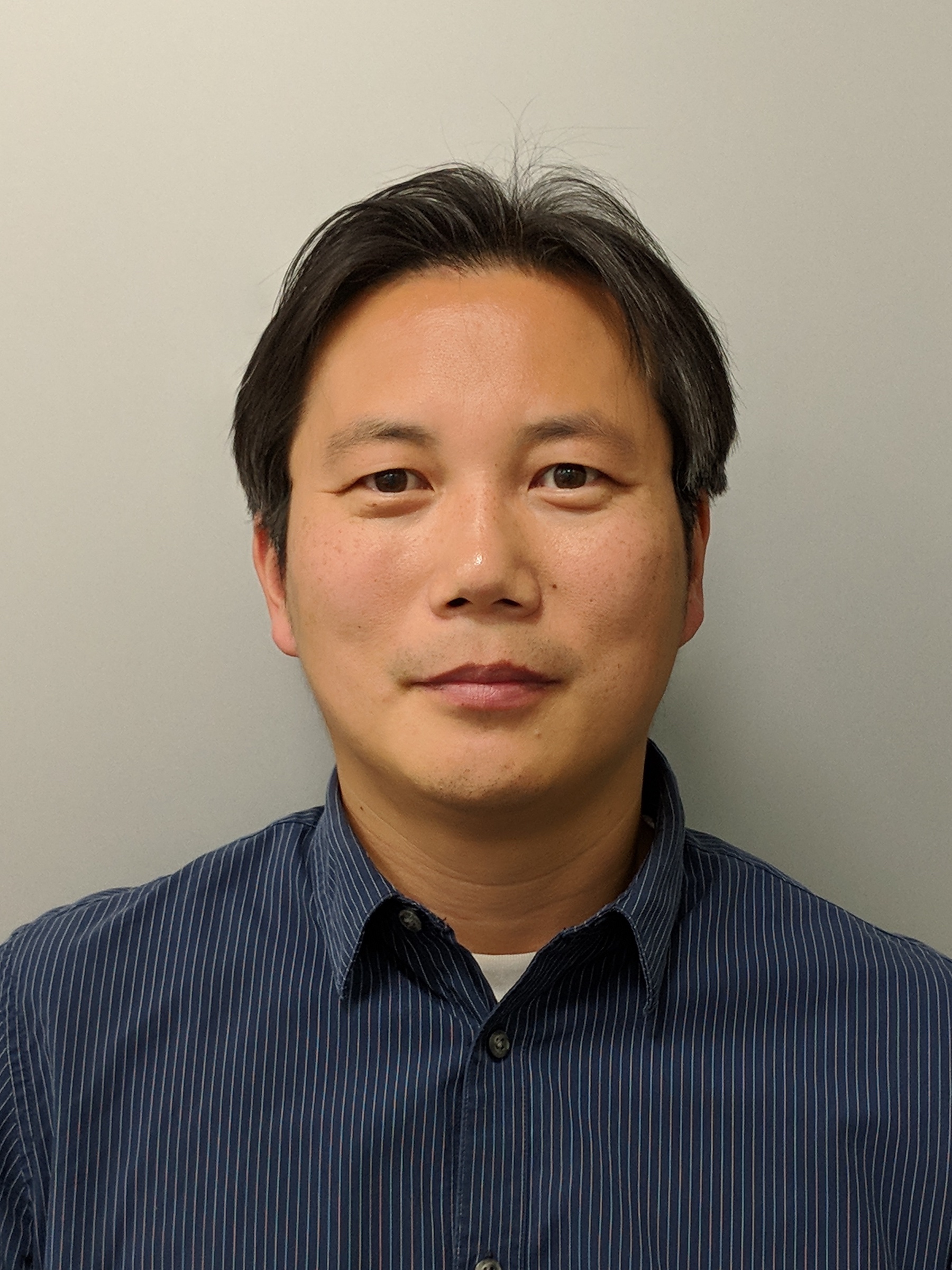
Bohyung Han
Seoul National University
Bohyung Han is a Professor in the Department of Computer Science and Engineering at Seoul National University. He received his Ph.D. from the University of Maryland, College Park, and previously worked at Siemens Corporate Research. His research focuses on computer vision and machine learning, including visual recognition, tracking, domain adaptation, and generative modeling. He has served in key roles for major conferences such as CVPR and ICCV, and his work has been widely recognized for advancing robust and scalable visual understanding.
Local Speakers


Organizers
Angela Yao
National University of Singapore
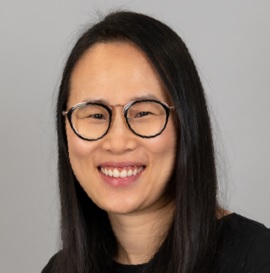
Angela Yao is a Dean’s Chair Associate Professor at the School of Computing, National University of Singapore, where she leads the Computer Vision and Machine Learning group. Her research focuses on video understanding and digital humans, supported by the NRF Fellowship, MoE Singapore, AI Singapore, and industry partners. Prior to joining NUS, she led a Visual Computing group at the University of Bonn, founded a startup on smart parking, and completed her Ph.D. at ETH Zurich. She received her undergraduate degree in Engineering Science from the University of Toronto.
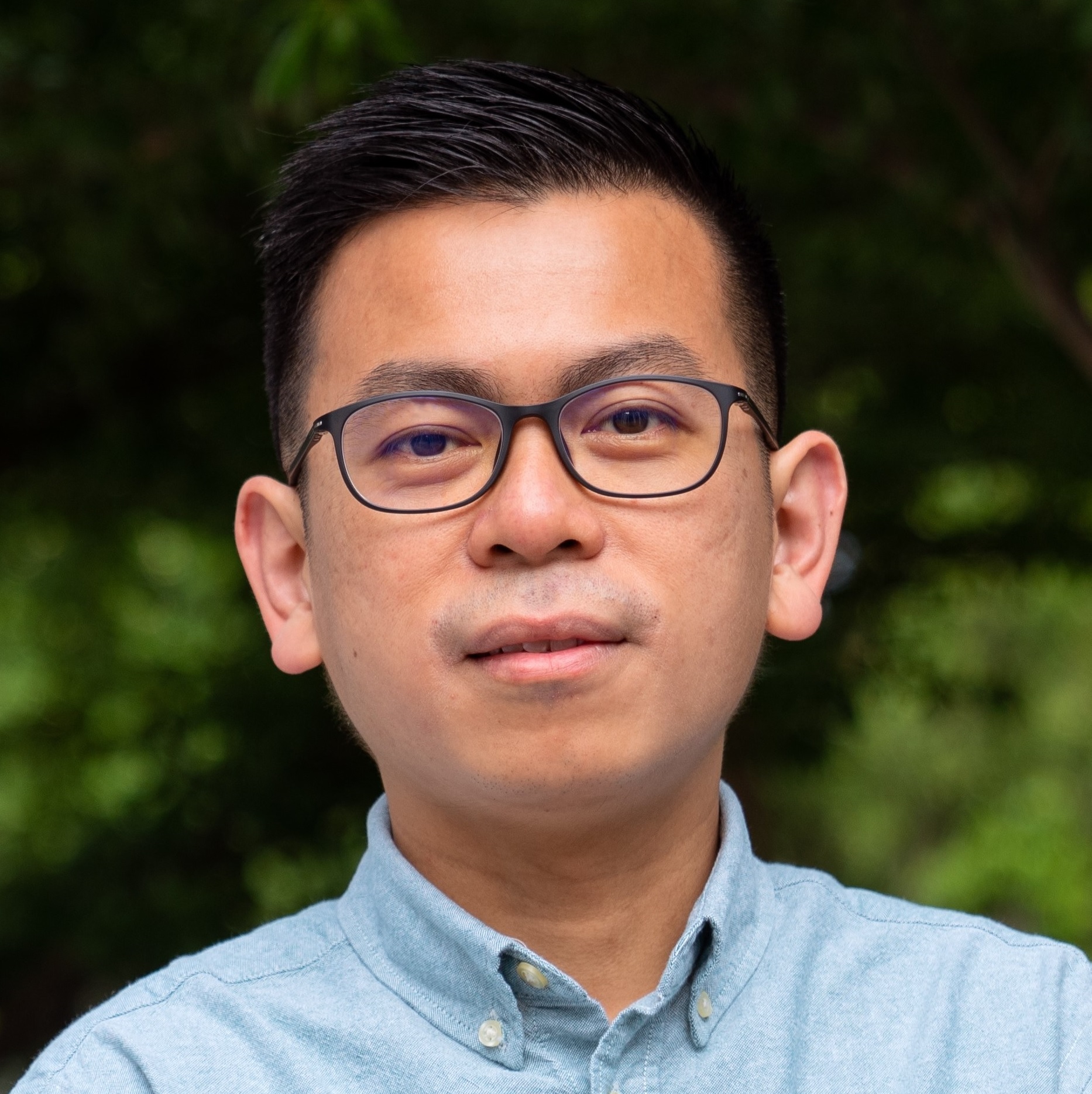
Gim Hee Lee
National University of Singapore
Gim Hee Lee is an Associate Professor in the Department of Computer Science at the National University of Singapore, where he leads the Computer Vision and Robotic Perception (CVRP) Laboratory. His research focuses on 3D computer vision, robotics, and embodied AI. He received his Ph.D. from ETH Zurich, and his B.Eng. and M.Eng. from NUS. He has held positions at Mitsubishi Electric Research Laboratories and DSO National Laboratories, and serves as an Associate Editor for TPAMI. He has also served as Area Chair for major conferences including CVPR, ICCV, ECCV, NeurIPS, and ICLR, and was General Chair of 3DV 2025.